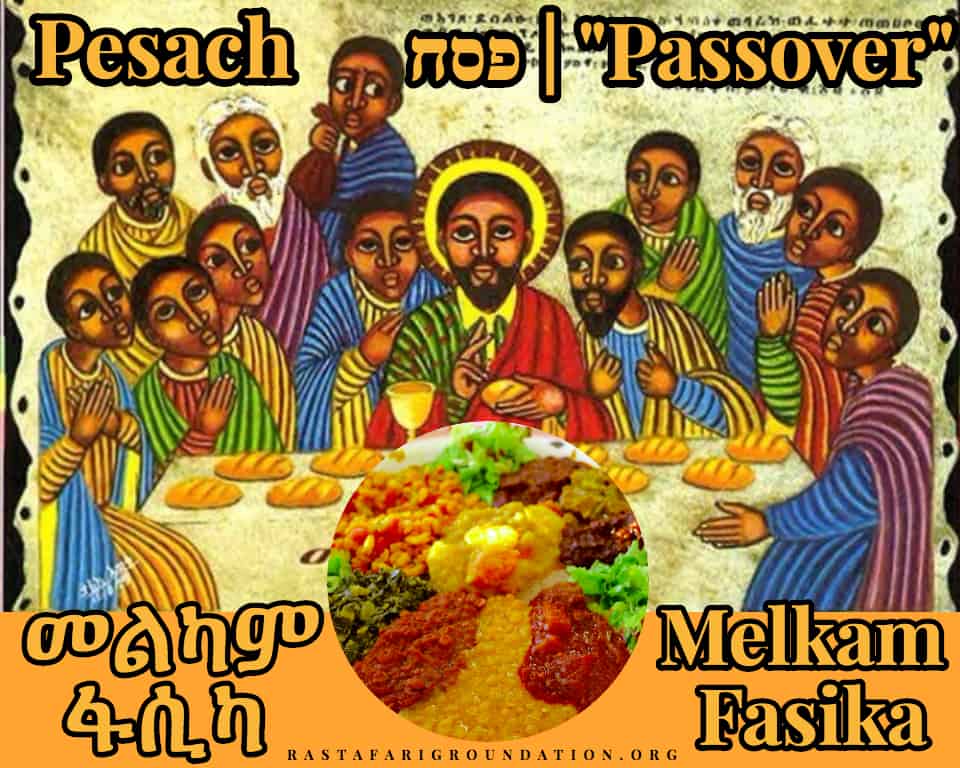
Pesach 1 | Passover, Day 1 | April 1
Pesach (Passover) commemorates the story of the Exodus from Egypt. Passover begins on the fifteenth day of the month of Nisan on the Jewish calendar. It also the Week of Unleavened Bread, during which time the Jewish people eat matzah and abstain from leavened bread.
The reading for the first day of Passover is Exodus 12:21–51, which recounts the first Passover, the tenth plague, and the exodus from Egypt. **For a PDF version of All the Torah Portions Schedule, click here to download!
1. Torah Reading
Exodus 12:21-51
- Exodus 12:21 The First Passover Instituted
- Exodus 12:29 The Tenth Plague: Death of the Firstborn
- Exodus 12:33 The Exodus: From Rameses to Succoth
- Exodus 12:43 Directions for the Passover
2. Prophets Reading
- Joshua 5:2–9 Joshua Circumcises the Sons of Israel
- Joshua 5:10–12 First Passover in Canaan
- Joshua 5:13–15 The Commander of the LORD’s Army
3. New Testament Reading
- John 19:31-20:1
Portion Outline - TORAH
The reading for the first day of Passover is Exodus 12:21–51, which recounts the first Passover, the tenth plague, and the exodus from Egypt.
Christians celebrate the resurrection of Yeshua with the festival of Easter, but the Bible does not mention any festival called Easter. Instead, the followers of Yeshua celebrated the resurrection as part of their annual observance of the festival of Passover.
We use the terms “Passover” and “Feast of Unleavened Bread” interchangeably. In the Torah, however, the terms are distinct. The Passover (pesach, פָּסַח) refers to the actual sacrifice that occurred on the fourteenth day of the month. The Festival of Unleavened Bread refers to the seven-day festival that begins that day at sunset—the fifteenth day of the month. (Remember that the Bible reckons sunset as the beginning of a new day.) Although the Torah uses the two terms differently, in Judaism today we speak of “keeping Passover” in reference to the whole seven-day festival. In reality, no one can “keep Passover” because we have no Temple in which a Passover sacrifice can be made. We can, however, keep the seven days of Unleavened Bread.
In the Gospels, the term Passover (Pesach) appears transliterated into Greek as pascha (πάσχα). The word occurs twenty-nine times in the New Testament. The New Testament uses it to refer to both the Passover sacrifice and the seven-day festival of Unleavened Bread.
Inexplicably, the King James Version of Acts 12:4 chose to translate the word as Easter:
And when he had apprehended him, he put him in prison, and delivered him to four quaternions of soldiers to keep him; intending after Easter to bring him forth to the people. (Acts 12:4 KJV)
Neither the believers in Acts 12 nor Herod Agrippa were celebrating a festival called Easter that year. In the days of the apostles, the believers honored Yeshua’s resurrection through the celebration of Passover and the Festival of Unleavened Bread. Easter was a much later innovation in Christian evolution.
Portion Study Book Download & Summary
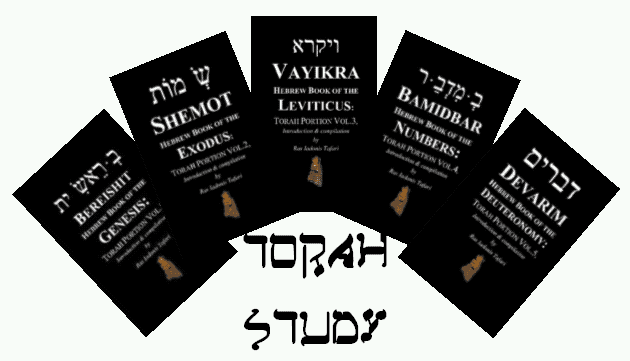
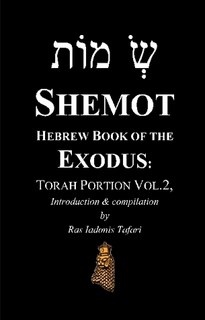 SHEMOT Hebrew Book of Exodus - Torah Portion Vol.2 (FREE PDF)
Shemot (שמות) is both the title for the second book from the scroll of the Torah and the title of the first Torah portion therein. Shemot means “names.” The English-speaking world calls this book Exodus. The Hebrew title for the book comes from the opening phrase of the book: “Now these are the names (shemot) of the sons of Israel who came to Egypt with Jacob” (Exodus 1:1).
The English name Exodus comes from the Septuagint (LXX), the Greek translation of the Hebrew Bible. The Greek title for the book is Exodus Aigyptou, which translates as “Departure from Egypt.” The name Exodus is an abbreviated form of that title. Exodus means “departure.” The book of Exodus tells the story of the children of Israel enslaved in Egypt and their miraculous redemption through the hand of Moses, the story of the giving of the Torah at Mount Sinai, the construction of the golden calf and the construction of the Tabernacle.
As we study the first week’s reading from the book of Exodus, we find the children of Israel in slavery. It seems at first that the God of their forefathers has forgotten them. But God has not forgotten His promises. He remembers His promises to Abraham, Isaac and Jacob and brings a Redeemer to their children’s children, for the sake of His name, with love.
Portion Commentary
Ordinary Life
Thought for the Week:
When Moses saw the burning bush, he turned aside to investigate. Only then did the Holy One reveal Himself to Moses. Our problem is that we do not take the time to turn aside and investigate. We all intend to grow spiritually. We all imagine that one day, we will take time to study, take time to grow in Torah, to do a mitzvah (commandment), to pray regularly. But you can’t take good intentions to the grave. A famous rabbi once said, “Do not say to yourself, ‘When I have more time, I will study Torah. Perhaps you will not have more time.’” 1 Do not say, when I have more time, I will turn aside, you might not have more time.
Commentary:
Now Moses was pasturing the flock of Jethro his father-in-law, the priest of Midian; and he led the flock to the west side of the wilderness and came to Horeb, the mountain of God. (Exodus 3:1)
When Moses got up that morning and counted the sheep, he did not say to himself, “I think I’ll take the sheep out on the west side of the wilderness over by the Mountain of God.” Mount Horeb was simply Mount Horeb, an indistinct rock in the wilderness like so many other hills and mountains, completely ordinary looking. There was nothing special about it. Mount Horeb became Mount Sinai, the mountain of God, simply because God chose it, not because it was taller, mightier or holier than any of the surrounding hills and mountains. In the same way, Moses became Moses, the Man of God because God called him, encountered him and commissioned him, not because he was more pious, mightier, smarter or more eloquent than other men. God is in the ordinary, and encounters with God happen in ordinary places. But when God is encountered, the ordinary is immediately transformed into the extraordinary. The very ordinary Mount Horeb was transformed into the extraordinary, Mount Sinai because of God’s presence was there. The very ordinary Moses, a simple Hebrew exile from Egypt, a shepherd in the wilderness, was transformed into Moses the Man of God, the greatest prophet of all time because he encountered God. God transformed the ordinary man into something extraordinary.
Most of us do not regard ourselves as extraordinary people. You probably think of yourself as a fairly ordinary person with a fairly mundane life. From God’s perspective, that is perfect. You are the perfect person with whom He can do extraordinary things. He is not looking for prophets; He is looking for normal people who are carrying on under normal circumstances.
Middot U’Mitzvot (Character and Deeds)
The Golden Handcuffs
When Jacob first went down to Egypt, he went only to sojourn there until the famine had passed. It was supposed to be temporary. But the temporary stay turned into what looked like permanent residence. They settled, and they prospered. They might have remained in Egypt, happy and well fed. Life in Egypt was good. Too good.
Happy, well-fed and prosperous, the children of Israel could have easily forgotten about their great spiritual heritage. Content with the comforts and luxuries of Egypt, they might have abandoned their aspirations of inheriting Canaan. Who would want Canaan when he already had Egypt?
The children of Israel found their situation in Egypt suddenly reversed when the Egyptian government forced the Hebrews into servitude. Success and prosperity can quickly turn into bondage. A person becomes accustomed to privileges and luxuries and begins to think of those things as necessities. Things that, at one time, he could not afford, and therefore did not worry about, become indispensable needs as he prospers. His own wealth and success become “golden handcuffs” from which he cannot escape. While we are in the service of materialism, our spiritual health inevitably suffers. Yeshua warned us saying, “No one can serve two masters; for either he will hate the one and love the other, or he will be devoted to one and despise the other. You cannot serve God and wealth” (Matthew 6:24).
Whether it is the trappings of wealth or the pressures of socialization, we must beware of allowing ourselves to be spiritually enslaved. The children of Israel may have fallen victim to both. Real, physical enslavement followed quickly.
Learn More
Passover - The Festival of Deliverance
I. Introduction to Pesach
Passover, or Pesach, begins during the full moon in the first month of the year, namely on the 14th day of Nisan. Passover is called the "feast of freedom" since it celebrates the Exodus of the Israelites from bondage in Egypt and memorializes the night when the faithful were protected by the blood of the lamb - a clear picture of the sacrifice of Yeshua the Mashiach as Seh HaElohim - the Lamb of God who takes away the sins of the world.
Contents
Introduction to Passover
Passover is an eight day springtime holiday observed from Nisan 15 through Nisan 22, which usually occurs in March/April on the Gregorian calendar.
- A brief overview of Passover
- The Month of Redemption
- Chodesh Ha-Yeshuah
- A Night to be Guarded...
- When (exactly) does Passover begin?
- The Feast of Unleavened Bread (Chag HaMatzot)
- Passover Torah Readings
- Torah Portions from Exodus:
- Shemot
- Va'era
- Bo
- Beshalach
- The Song of Songs
II. Theology and Passover
The following articles are intended to help provide a theological framework for the holiday of Passover from a Messianic perspective.
- The Very First Passover...
- The "Limping" Messiah...
- The Gospel in the Garden
- The Great Lamb of God
- The Meaning of Passover
- The Torah of Passover
- The Need for Blood Atonement
- Akedat Yitzchak - The Sacrifice of Isaac
- The Gospel According to Moses
- The Passion of Isaac
- Sequence of the Plagues
- A Night to be Guarded
- Love Story Exodus
III. Preparing for Passover
Preparations for Passover occur a full month in advance, directly following the festival of Purim.
- Preparing the house
- Rosh Chodeshim
- Shabbat HaGadol
- Fast of the Firstborn (Ta'anit Bechorim)
- Bedikat Chametz (Search for Chametz)
- The Vernal Equinox and the Crucifixion
IV. The Traditional Passover Seder
The traditional Passover Seder begins on Erev Pesach, that is, before sundown on Nisan 14th (at sundown the day changes to Nisan 15th according to the Jewish calendar, the first day of Passover).
- The Passover Seder
(Download the free Seder Guide here [PDF download])
V. Firstfruits
The festival of Firstfruits provides a picture of the resurrection of Yeshua the Mashiach from the dead.
- Reshit Katzir - the day of firstfruits (also called Chag HaBikkurim)
VI. Counting the Omer
The Omer is counted from Nisan 16 through Sivan 5, the start of Shavu'ot (Weeks or Pentecost).
- Sefirat HaOmer
- Lag BaOmer
VII. Shavuot
Exactly seven weeks (i.e., 49 days) after the festival of Firstfruits is the celebration of Shavuot ("Weeks"). Since Shavuot occurs on the 50th day, the Greek translators of the Torah called this day "Pentecost.
- Chag Shavuot
For Further Study:
- The Biblical Calendar
- The Month of Nisan and Deliverance
- Rosh Chodashim (New Year's Day)
- The Spring Holidays
- Preparing for Passover
- Removing Leaven from our homes
- Shabbat Hagadol
- Unleavened Bread
- Love Song of Passover...
- Reshit Katzir (Resurrection)
- The Gospel of Moses
- Counting the Omer
- Shavuot (Pentectost/Weeks)

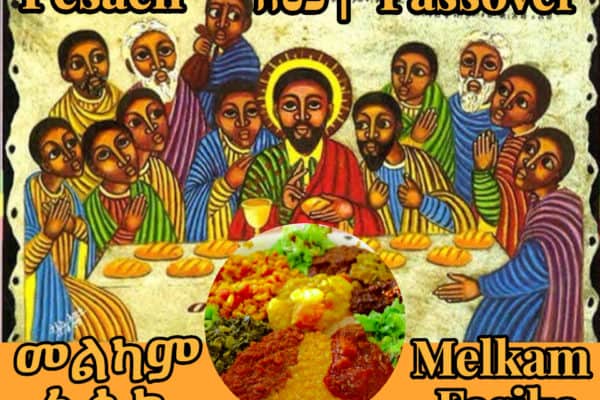
![Pesach | פסח | "Passover" ፋሲካ | Fasika [Faseeka] (Melkam Fasika)](https://www.lojs.org/wp-content/uploads/2017/04/Melkam-Fasika-.jpg "Pesach | פסח | \"Passover\" ፋሲካ | Fasika [Faseeka] (Melkam Fasika)")

![Pesach | פסח | "Passover" ፋሲካ | Fasika [Faseeka] (Melkam Fasika)](https://www.lojs.org/wp-content/uploads/2017/04/መልካም-ፋሲካ.jpg "መaPesach | פסח | \"Passover\" ፋሲካ | Fasika [Faseeka] (Melkam Fasika)ልካም ፋሲካ")