Yom Hakippurim Torah Readings
Yom Kippur | יום כיפור | "Day of Atonement"
Yom Kippur Torah Readings:
| Date | Service | Torah | Haftarah | Brit Chadashah |
| Sun. Sept. 20th Tishri 9, 5787 (Erev Yom Kippur) |
Kol Nidrei (opening) |
Kol Nidrei Recitation [before sundown on Tishri 9] | ||
| Maariv (evening) |
After sundown (i.e.,Tishri 10); half-Kaddish; the Shema; the Amidah; Confession (al chet); Selichot and Piyyutim (poems) | |||
| Mon. Sept. 21st Tishri 10, 5787 Yom Kippur |
Shacharit (morning) |
Lev. 16:1-34 Num. 29:7-11 |
Isa. 57:14-58:14 | Rom. 3:21-26; 2 Cor. 5:10-21 |
| Yizkor | Memorial service for departed family members | |||
| Musaf (additional) |
The [musaf] Amidah; retelling of the Yom Kippur service at the Temple; the priestly blessing (birkat kohanim) | |||
| Minchah (afternoon) |
Lev. 18:1-30 | Jonah 1:1-4:11; Micah 7:18-20 |
Hebrews | |
| Neilah (closing) |
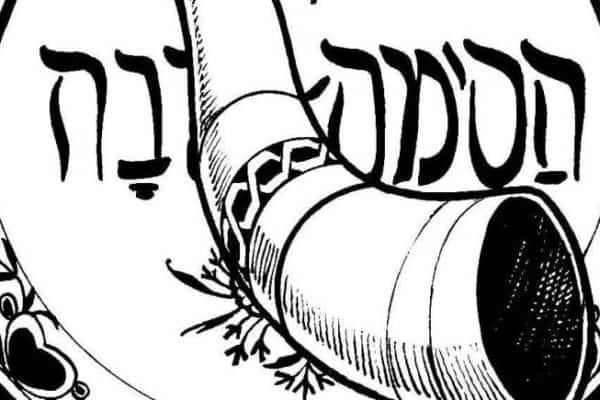
Thought to symbolize the "closing and sealing" of the Book of Life, when the "great shofar" is sounded. | |||
Portion Commentary
Holiest Day of the Year
Thought for the Week:
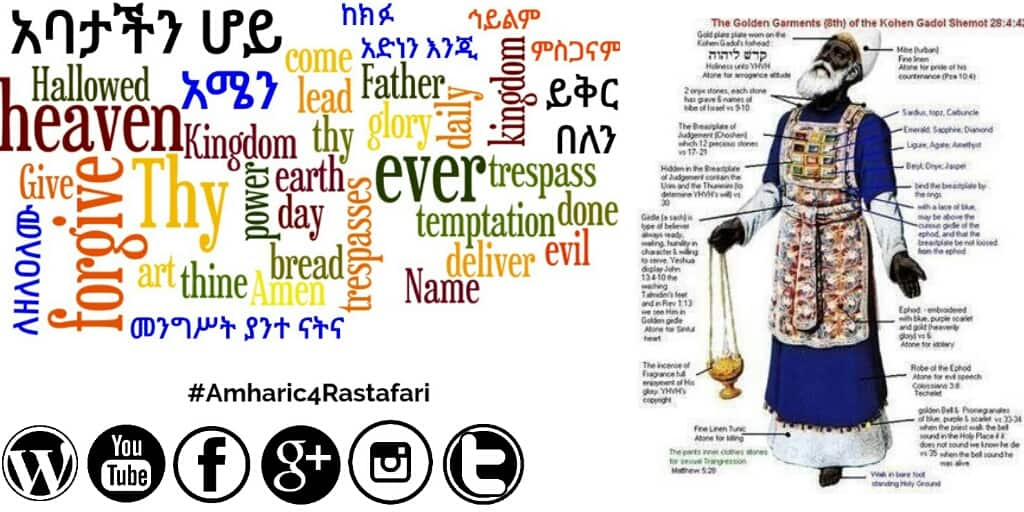
According to the writer of the book of Hebrews, Messiah has become our High Priest. He entered into the Holy of Holies in heaven, the actual throne room of God, and applied His own blood for atonement. He entered into the presence of God for us so that He might usher us in as well (Hebrews 9:11, 12). Messiah is our High Priest, a minister in the sanctuary and in the true tabernacle, which the LORD pitched, not man, (Hebrews 8:2). Therein He applied His atoning blood. Therefore, the ceremony of the Day of Atonement uniquely patterns the work of Messiah: His death, His sacrifice and the atonement of His blood. We boldly enter the presence of God because the blood of Messiah covers us. Today He stands interceding on our behalf before the throne of God, just like a high priest.
Commentary:
The LORD said to Moses, Tell your brother Aaron that he shall not enter at any time into the holy place inside the veil, before the mercy seat which is on the ark, or he will die; for I will appear in the cloud over the mercy seat., (Leviticus 16:2)
After the deaths of the two sons of Aaron, the LORD warned Aaron not to enter the Holy of Holies but once a year. On that day, Aaron alone (or the high priest after him) was to enter in order to make atonement for Israel, the holy place and the altar. The day on which the high priest entered the Holy of Holies was called the Day of Atonement. Even then, Aaron was to enter only with blood and under the cloud of incense. Leviticus 16, the Torah reading for the Day of Atonement, describes the Tabernacle/Temple ceremony of the Day of Atonement: the two goats, the sin offering and the scapegoat, the incense, the sprinkling with blood and the high priest, entrance into the Holy of Holies. In Leviticus 16 we read about the intersection of three spheres of holiness. On the holiest day of the year (the Day of Atonement), the holiest man in the world (the high priest of Israel) goes into the holiest place in the world (the Holy of Holies). The high priest had to enter in order to make atonement for Israel, atonement for the Holy of Holies, atonement for the Tabernacle and atonement for the altar. Because these things remained continually in the presence of God, they needed to be atoned for. Without atonement they could not remain in the presence of God.
The Day of Atonement is the holiest day of the year. All of Gods appointed times are holy to the LORD, but the Day of Atonement is the holiest of all. It is set apart even from the other holy days.
All other Sabbaths and holidays are times of feasting and celebration. However, on the Day of Atonement, everyone is commanded to afflict himself through fasting and abstinence. The LORD says, If there is any person who will not afflict his soul on this same day, he shall be cut off from his people, (Leviticus 23:29).
Traditional Yom Kippur Services
|
It is customary to light the holiday candles, recite Shehecheyanu, and eat a late afternoon meal with loved ones (called Seudat Mafseket, a meal of cessation) a couple hours before the Yom Kippur fast begins. It is also customary to wear white clothing as a symbol of purity during Yom Kippur religious services, and some married men wear a kittel, or white robe, as well. Because of the sanctity of the holiday, the tallit is worn for evening services as well. Dressing in this way is intended to make us appear "white as snow," pure, like the angels. In traditional Judaism, Yom Kippur consists of several interwoven religious services that are held throughout the 25 hour period of fasting. These include:
|